
Air conditioners are essential for comfort, especially during hot seasons. However, like any machine, AC systems can develop issues over time. Understanding common problems and knowing when to act can help you avoid costly damage and keep your system running efficiently.
In this guide, we explain the most common AC problems homeowners face and the practical solutions for each.
1. AC Not Cooling Properly
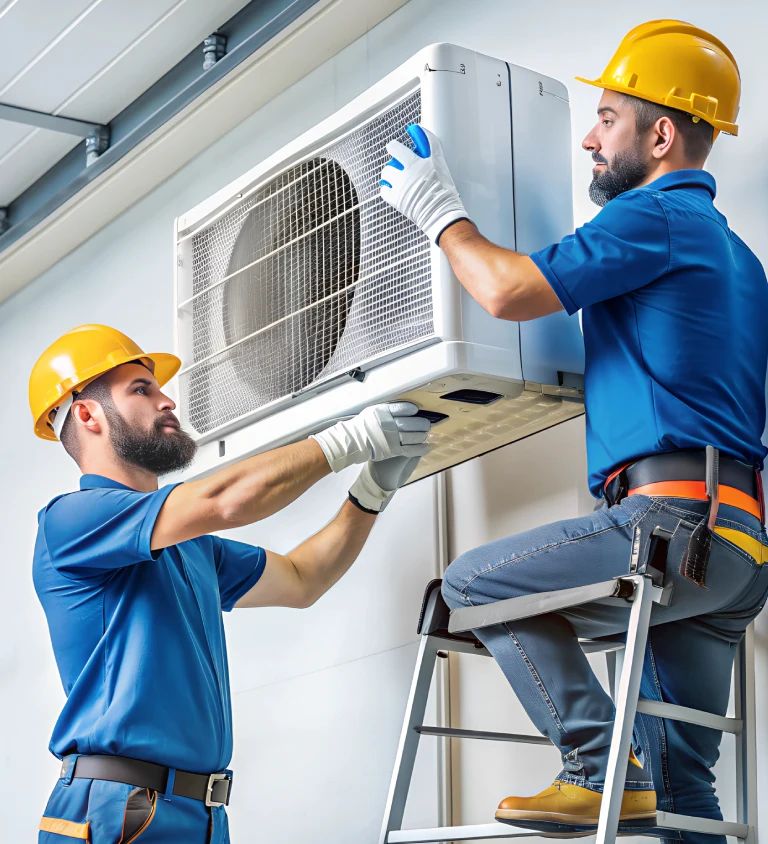
Possible Causes:
Dirty air filters
Low refrigerant levels
Blocked outdoor unit
Thermostat issues
Solution:
Start by checking and cleaning the air filter, as clogged filters restrict airflow. If the problem continues, professional air conditioner repair may be required to inspect refrigerant levels or internal components.
2. Weak Airflow From Vents
Possible Causes:
Dust buildup inside ducts
Fan motor problems
Blocked vents
Solution:
Ensure vents are open and unobstructed. Regular cleaning and scheduled AC maintenance help prevent airflow issues and improve cooling efficiency.
3. Water Leaking From the AC Unit
Possible Causes:
Clogged drain line
Frozen evaporator coils
Improper installation
Solution:
Turn off the unit immediately to prevent water damage. Cleaning the drainage system and routine inspections during AC maintenance can prevent this issue from happening again.
4. Strange Noises Coming From the AC
Possible Causes:
Loose internal parts
Motor wear
Debris inside the unit
Solution:
Unusual sounds like grinding or rattling should never be ignored. A professional air conditioner repair service can safely diagnose and fix mechanical problems before they worsen.
5. Bad Smell When AC Is Running
Possible Causes:
Mold or bacteria buildup
Dirty filters or ducts
Moisture accumulation
Solution:
Deep cleaning the AC system and air ducts improves indoor air quality and eliminates odors. Regular AC maintenance is the best prevention method.
6. AC Turning On and Off Frequently (Short Cycling)
Possible Causes:
Incorrect thermostat settings
Dirty condenser coils
Oversized AC unit
Solution:
Check thermostat placement and settings first. If the issue continues, technicians should inspect the system to avoid energy waste and equipment damage.
Why Regular AC Maintenance Matters
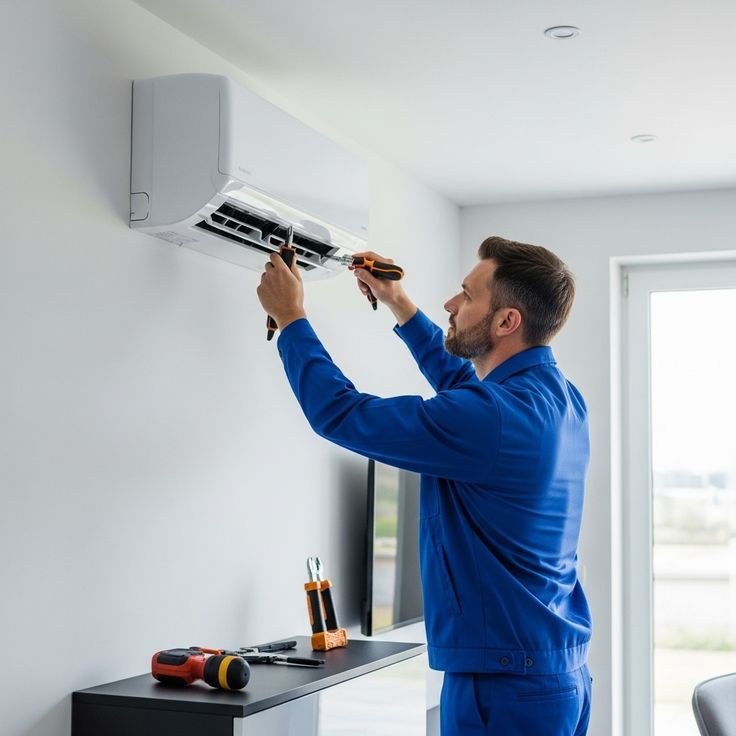
Many AC problems happen because systems are not serviced regularly. Preventive AC maintenance helps:
Improve cooling performance
Reduce electricity consumption
Extend AC lifespan
Prevent unexpected breakdowns
Routine servicing is always more affordable than emergency repairs.
When Should You Call Professionals?
You should contact experts if you notice:
Warm air instead of cool air
Water leaks
Loud or unusual noises
Rising electricity bills
Persistent bad odors
Professional air conditioner repair ensures safe and long-lasting solutions instead of temporary fixes.
Final Thoughts
Air conditioners work hard to keep your home comfortable, but ignoring small warning signs can lead to major problems. By recognizing common AC issues early and scheduling regular maintenance, you can enjoy reliable cooling all year long.
If your AC shows any of these signs, timely inspection and servicing can save both time and money while keeping your indoor environment healthy and comfortable.
Is your AC showing signs of poor performance or unusual problems? Don’t wait until a small issue turns into an expensive repair. Our professional team provides reliable inspection, cleaning, and AC maintenance services to keep your cooling system working efficiently all year round.
Contact Duostar today to schedule your service and enjoy cleaner air, better cooling, and complete peace of mind.
Frequently Asked Questions (FAQs)
1. How often should an air conditioner be serviced?
It is recommended to schedule professional AC maintenance at least once or twice per year, ideally before the summer season begins.
2. Why is my AC running but not cooling?
This may be caused by dirty filters, low refrigerant levels, or airflow issues. A professional air conditioner repair inspection can identify the exact problem.
3. Can a dirty AC increase electricity bills?
Yes. Dust buildup forces the system to work harder, increasing energy consumption and reducing efficiency.
4. Is water leaking from AC dangerous?
Water leakage can damage walls, ceilings, and internal AC components. The unit should be turned off and checked immediately.
5. How do I know if my AC needs professional cleaning?
Common signs include weak airflow, bad odors, unusual noises, or inconsistent cooling throughout the home.